The Real Cost of Starting a Business (No Fluff)
What it actually costs to start a business in 2026, by business type — with a first-year budget template and the hidden costs nobody puts in the calculator.

Quick answer: Startup costs depend entirely on the business type. A content or service business realistically starts for $50–$500, a dropshipping store for roughly $500–$2,000, and anything holding inventory or hiring climbs quickly from there.
Most "how much does it cost to start a business?" articles are useless. They either scare you off with a $50,000 figure that assumes an office and three employees, or they tell you $0 and hand you a list of free tools. Neither is true.
The real cost depends on what kind of business you're building. A one-person newsletter costs almost nothing to start and takes 18 months to earn anything. A physical product business costs $5,000 to $25,000 to launch but can pay you back in a quarter. Both are valid. They just have completely different money timelines.
This is the honest breakdown I wish someone had given me: the line items nobody talks about, and a first-year budget you can actually plan against.
The four business models (and their real starting costs)
Almost every internet-era business fits into one of four buckets. Skip the intro fluff and find yours below.
1. Content / creator business
Realistic starting cost: $200–$800 in year one.
- Domain: $12
- Hosting (or a modern platform): $0–$180
- Email service provider (once you have a list): $0 for the first ~1,000 subscribers, then $15–$50/month
- Design assets, stock photos, a decent microphone if you do audio: $100–$200
- Optional: one paid research tool (like an SEO or trend tool) once you're serious
You will not need paid ads. You will not need an LLC on day one. The real cost of a content business is 12 to 24 months of unpaid time before it earns meaningfully. Budget your hours as if they cost something, because they do.
2. Service / freelance business
Realistic starting cost: $150–$500.
- Domain, professional email, a one-page portfolio site: $150
- Contract templates and an invoicing tool: free to $30/month
- Optional bookkeeping software once you cross ~$3k/month in revenue: $20/month
- Site-building stack if you build websites for clients (WordPress hosting, a page builder or theme, a few essential plugins): $100–$300/year
Freelance and service businesses — writing, design, consulting, and building websites for clients — are the fastest path to real income. You can be earning inside 60 days if you already have a marketable skill. The hidden cost is client acquisition: cold outreach, referrals, and the time to build a portfolio that actually converts. Budget 10–15 hours a week for the first three months on business development, not delivery.
3. Digital product / SaaS
Realistic starting cost: $1,500–$5,000 for a solo builder in year one.
- Domain + hosting + infrastructure: $30–$100/month
- Payment processing setup, tax software: $30–$60/month once live
- Design work if you can't do it yourself: $500–$2,000 one-time
- Legal (terms, privacy, refund policy): $200–$500 done properly
- A small paid acquisition test once you have product/market fit: $500–$1,500
The real cost of SaaS is not the tools; it's the 6–12 months of building before your first paying customer, and the ongoing support work after. Don't confuse "cheap to host" with "cheap to run."
4. Physical product / ecommerce
Realistic starting cost: $5,000–$25,000.
- Initial inventory: $2,000–$10,000
- Store platform (Shopify or similar): $30/month
- Payment processing (2.9% + $0.30 per order): variable
- Photography and packaging design: $500–$2,000
- First 90 days of paid ads to test: $2,000–$8,000
- Fulfilment tooling or a 3PL once you cross ~50 orders/week: variable
Cheaper path: drop shipping. If you don't have $5k+ to put on the table, a dropshipping store cuts the realistic starting cost by roughly 90% — think $500–$2,000 — because you skip the two biggest line items: upfront inventory and fulfilment tooling. You're paying for the Shopify plan, a domain, a supplier app, product photos you can license or generate, and a small ad-testing budget. The trade-off is honest: margins are thinner (usually 15–30% instead of 40–60%), shipping is slower, and you don't control quality or returns the way you do with your own stock. Treat it as a way to validate demand cheaply, then reinvest profits into inventory once a product proves it sells.
Of the four business models, ecommerce typically requires the most upfront capital when you're holding inventory. The good news is that it's highly measurable—you can track nearly every dollar that comes in and goes out. If cash is tight, start with dropshipping, print-on-demand.
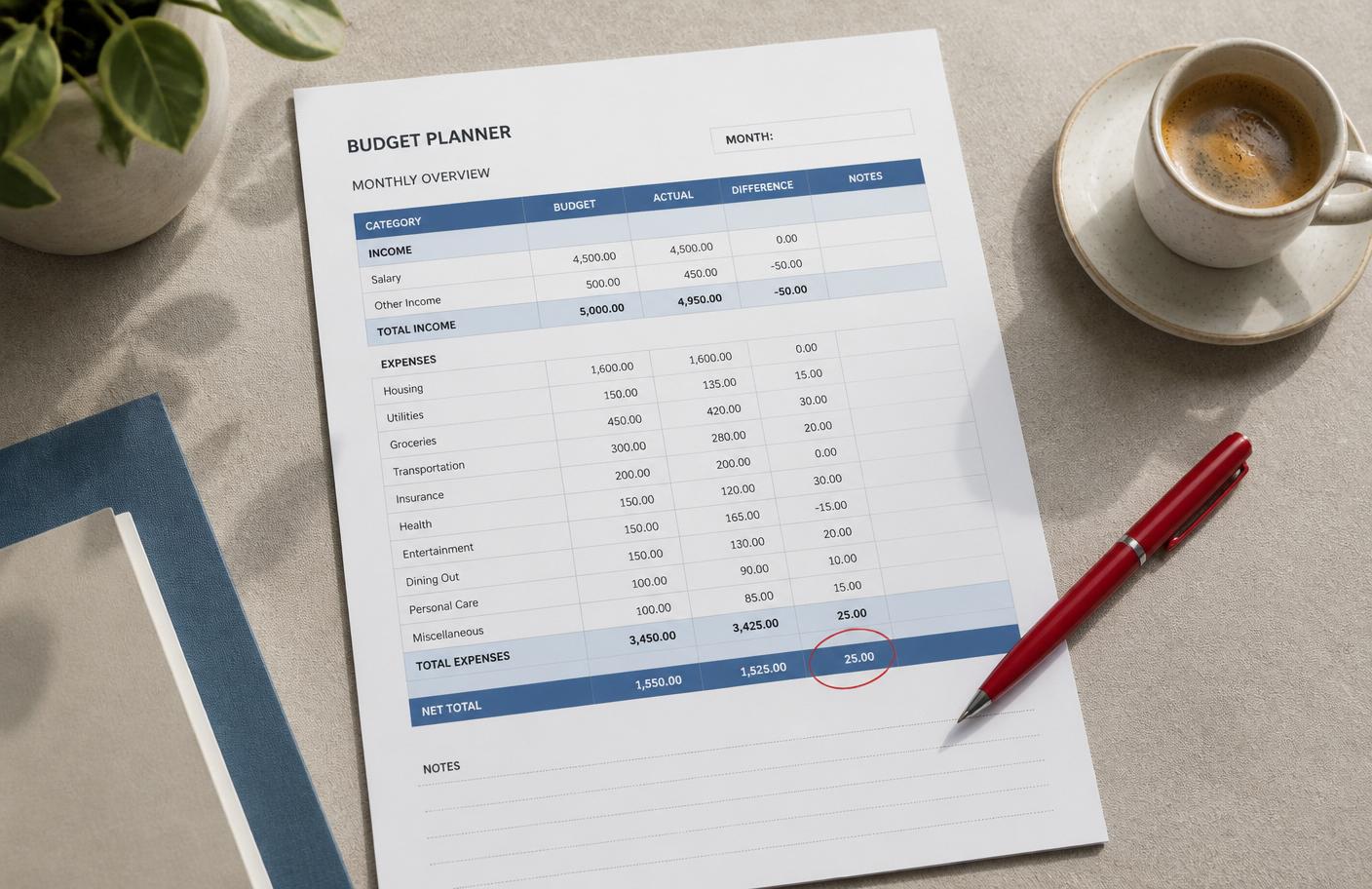
The costs nobody puts in the calculator
Even solid budget guides skip these. They're the ones that quietly kill first-year businesses.
1. Your own time, priced honestly. If your day job pays $60/hour, a 15-hour week on your side project is a $46,800 annual "cost." You don't have to write yourself a check, but you should know the number. It's the reason most side hustles quietly die: the opportunity cost is real, even when the cash cost is zero.
2. Software creep. The first month you spend $47 on tools. By month 12, you're at $340/month because you kept adding one $20 subscription at a time. Every quarter, audit what you're paying for and cancel anything you haven't logged into in 30 days.
3. Taxes on side income. If you're in the US, self-employment tax is ~15.3% on top of your normal income tax. Set aside 25–30% of every dollar you earn in a separate account from day one, or year-end will feel like a mugging.
4. Tools you'll wish you had. Bookkeeping software once you're past a handful of transactions per week. A password manager. A separate business bank account. None of these are optional; they just don't feel urgent until they do.
5. Refunds, chargebacks, and platform fees. Stripe and PayPal both take ~3%. Your ecom platform takes another cut. If you sell through Amazon, expect 15% off the top plus fulfillment. Model the net revenue, not the gross.
6. Health insurance if you're going full-time. In the US, budget $400–$900/month for individual coverage on the marketplace. This is the number that surprises people the most when they quit a day job.
A first-year budget template you can copy
Here's a realistic 12-month plan for a solo founder building either a content business or a small digital product. Numbers in USD; adjust for your country.
Fixed costs (per month, starting month 1):
| Item | Monthly |
|---|---|
| Domain + hosting | $10 |
| Email service (starts at ~month 4) | $0 → $30 |
| Password manager, VPN, misc SaaS | $15 |
| Bookkeeping software (from month 6) | $0 → $25 |
That's about $180–$800 for the full year in software.
One-time year-one investments:
- Better microphone / camera / lighting (only if you do audio or video): $250
- One paid course or book stack in your niche: $200
- LLC formation and registered agent (US, when you're earning): $300
- Legal template pack (contracts, privacy policy): $200
That's another ~$950 spread across the year, and only when the business is earning enough to justify each item.
Variable / earned costs:
- Payment processing: 3% of gross revenue
- Taxes: hold back 25–30% of profit
- Reinvestment: at least 20% of profit back into growth (see the 70/20/10 rule for solopreneurs)
Total realistic year-one cash cost for a solo content or product business: $1,200–$3,000. If somebody tells you it needs to be $15,000, they're selling you the $15,000 course.
What to not spend on in year one
The single biggest first-year mistake is spending money on things that make you feel like a business owner instead of things that make you money.
- Do not register an LLC on day one. Wait until you're earning enough to make the paperwork worthwhile (usually $1k–$2k/month in revenue).
- Do not buy a full brand identity package before you know what you're selling. A clean logo you make yourself is fine.
- Do not subscribe to every "essential" tool a YouTuber recommends. Most successful solopreneurs run on 3–5 tools.
- Do not pay for a co-working space, business cards, or "networking" memberships in year one. Zero of them will move revenue.
- Do not run paid ads before you know your organic conversion rate. You'll just lose money faster.
The one thing worth paying for early
Speed. Anything that gives you back hours you'd otherwise spend on non-revenue work is worth the money, once you're past the very first stage.
That usually means: a decent invoicing tool the moment you have clients, a bookkeeping app the moment you have more than 10 transactions a month, a scheduling link the moment you're doing calls, and an AI tool or two once you're producing content regularly. See The AI tools that actually earn their monthly fee.
Everything else, wait.
Key takeaways
- There's no single "real cost" of starting a business. What you'll spend depends on the type of business you're building so decide that first, then budget against it.
- One of the biggest myths in entrepreneurship is that you need a lot of money to start. Many solo service and content businesses launch for just a few hundred dollars. Digital products often require a bit more investment, while physical product businesses tend to be the most expensive - drop shipping changes that equation by removing inventory costs and reducing startup expenses to as little as $500–$2,000.
- Hidden costs are business killers. Model your taxes, software, processing fees, and labor costs from day one, not after they start eating into your profits.
- Spend money on things that help you move faster and serve customers better. Don't spend money trying to look bigger than you are.
- Don't ask how much money you have. Ask how many months you can keep operating while the business gains traction.
Keep your costs low, your expectations realistic, and your commitment high. Time and consistency do the rest.
Frequently asked questions
What is the cheapest business to start?
A service or content business. You are selling time and knowledge, so the costs are a domain, hosting, and basic tools.
What costs do people forget?
Payment processing fees, taxes, software renewals, and the cost of your own time before revenue starts.
Should I incorporate right away?
Usually not on day one. Wait until you have revenue or real liability, then set it up properly.
Enjoyed this article?
Get the next one in your inbox.
Comments
Be the first to leave a comment.